
While hair loss is frequently dismissed as a cosmetic concern, it’s often a clinical symptom of deeper systemic imbalances. For male patients, changes in hair texture, density, or growth patterns can provide early clues to endocrine, nutritional, autoimmune, or even cardiovascular issues. As June marks Men’s Health Month, it offers an essential opportunity for healthcare providers to reframe conversations around male wellness, going beyond the traditional screenings to include often-overlooked indicators of internal health, such as hair health. Frontline medical providers have a unique position to identify and intervene early, empowering men to not only preserve their hair, but also to optimize their health.
Culturally, men tend to seek care only after significant hair loss has occurred. This reactive approach often leads to frustration and fewer successful outcomes. Many of these symptoms are not only treatable, but they’re also often preventable. Men typically view hair thinning as an aesthetic nuisance. However, physicians and advanced care providers know better—the scalp can be a window to internal dysfunction. Providers can use hair health as a diagnostic indicator. These include:
- Sudden or rapid hair shedding can indicate thyroid dysfunction, anemia, or acute stress syndromes.
- Receding hairlines or diffuse thinning may be signs of androgenic alopecia but often coexist with hormonal imbalances such as elevated DHT or cortisol.
- Dry, brittle, or breaking hair may reflect malabsorption syndromes, vitamin D deficiency, or low zinc levels.
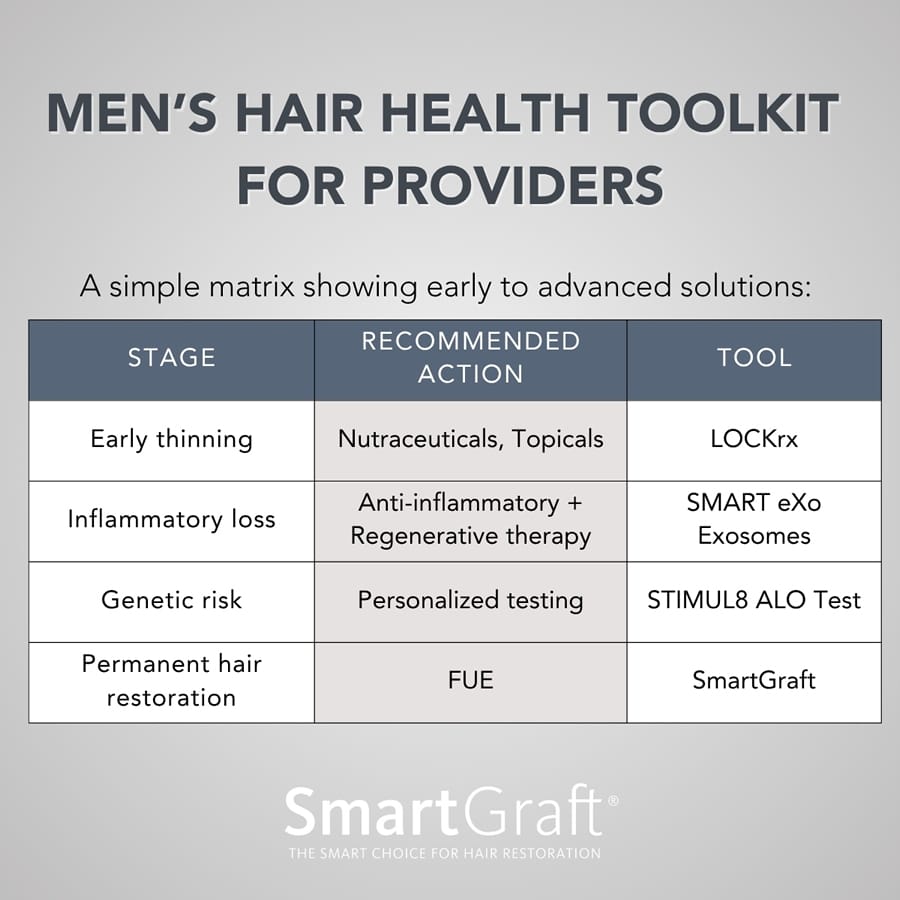
Providers can play a proactive role by initiating conversations around hair health as part of routine wellness assessments and by incorporating evidence-based therapies and diagnostics into health and wellness assessments. Smart Solutions RX provides a myriad of services to support medical professionals, including the LOCKrx Drug-Free Hair Support Program, SMART eXo exosomes, and SmartGraft FUE hair restoration.
LOCKrx Hair Support Program
A comprehensive nutraceutical and topical drug-free support system that may help to optimize the scalp environment, balance inflammation, and support healthy hair follicle cycling. Ideal for early-stage intervention and long-term hair maintenance.
SMART eXo Exosomes
Derived from mesenchymal stem cells, SMART eXo nanoparticle formulations harness the power of Wharton’s Jelly-derived exosomes to optimize cellular regeneration, support healing, and enhance aesthetic outcomes—especially valuable in inflammatory or post-COVID hair loss cases.
Genetic Testing: ALO Test by STIMUL8
Personalized medicine begins with data. The ALO test evaluates genetic predispositions to androgenic alopecia, shedding light on hormonal sensitivities, inflammatory pathways, and potential therapeutic targets. It helps tailor interventions and set realistic expectations.
SmartGraft® FUE Hair Restoration
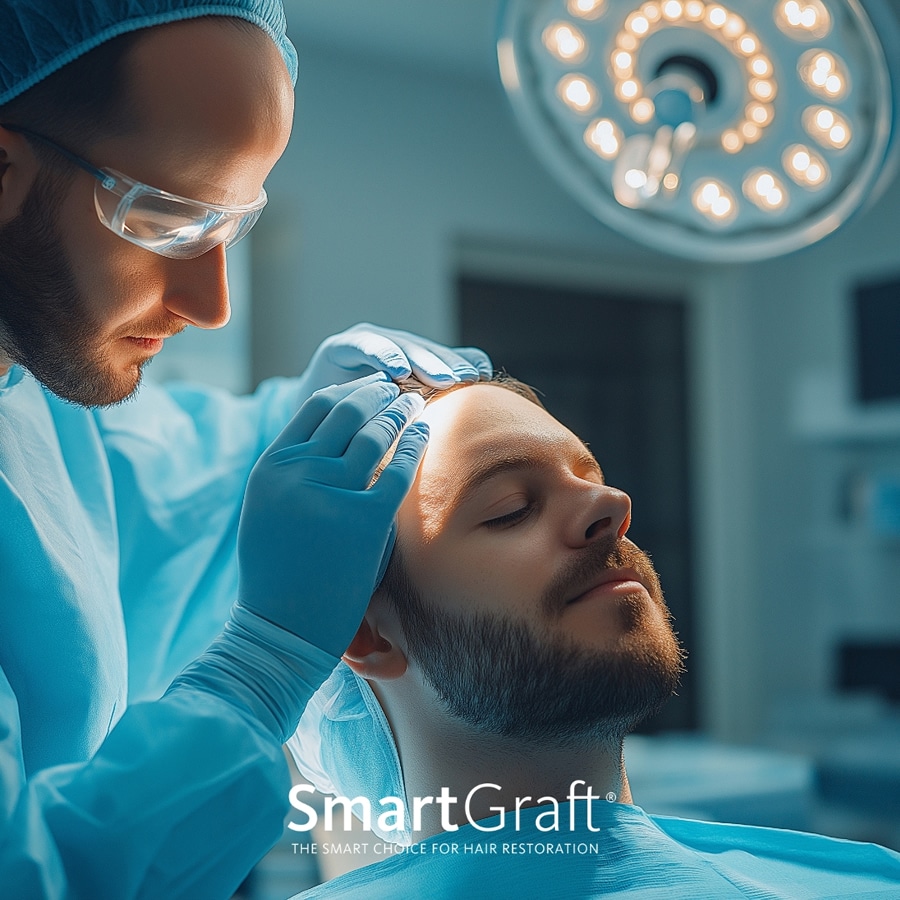
For patients who are ready for a permanent solution, SmartGraft offers a minimally invasive follicular unit extraction (FUE) technology with natural-looking results. It’s especially effective for men with stable donor areas and those who have already optimized internal hair-supportive factors.
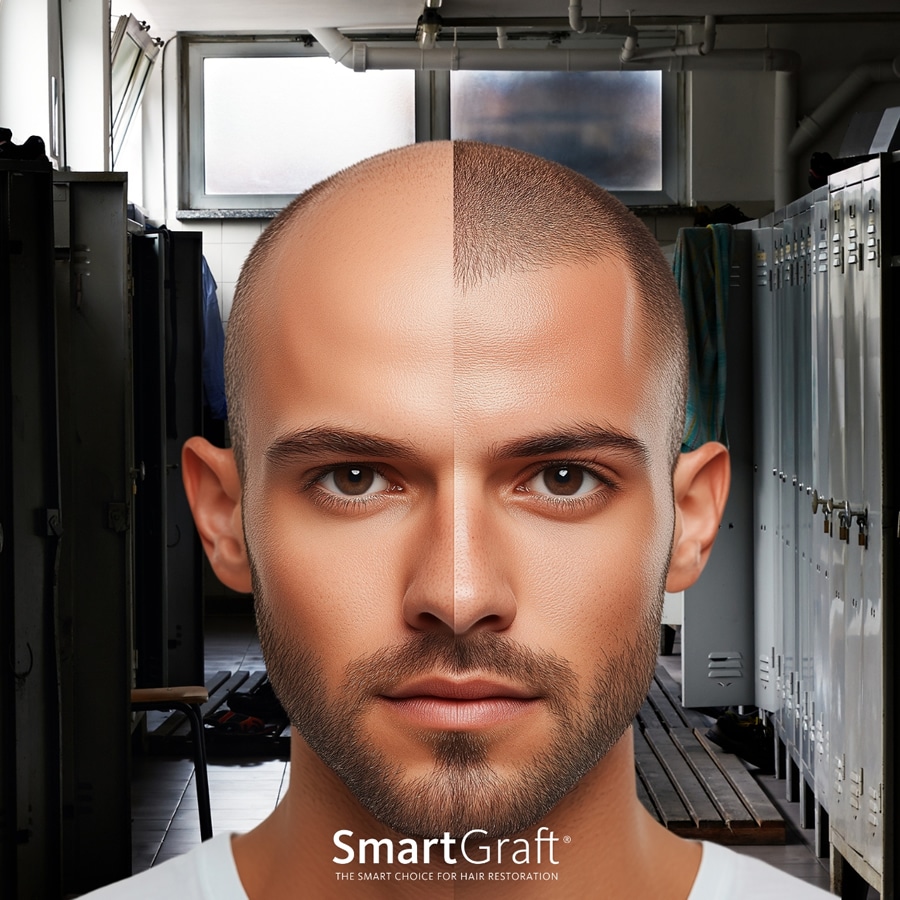
Healthy hair follicles go through a natural growth cycle: growing (anagen), resting (telogen), and shedding (catagen), producing thick, pigmented hair. In contrast, miniaturizing follicles, often triggered by hormonal imbalances (especially elevated DHT), inflammation, or poor circulation, shrink over time and produce thinner, shorter, and less pigmented hairs. This process, known as follicular miniaturization, is a hallmark of androgenic alopecia and other types of hair loss. Therapeutic interventions such as LOCKrx, SMART eXo exosomes, and SmartGraft aim to either halt or reverse this process by reducing inflammation, enhancing cellular communication, nourishing the follicle, and—when necessary—transplanting healthy follicles to restore natural density and function.
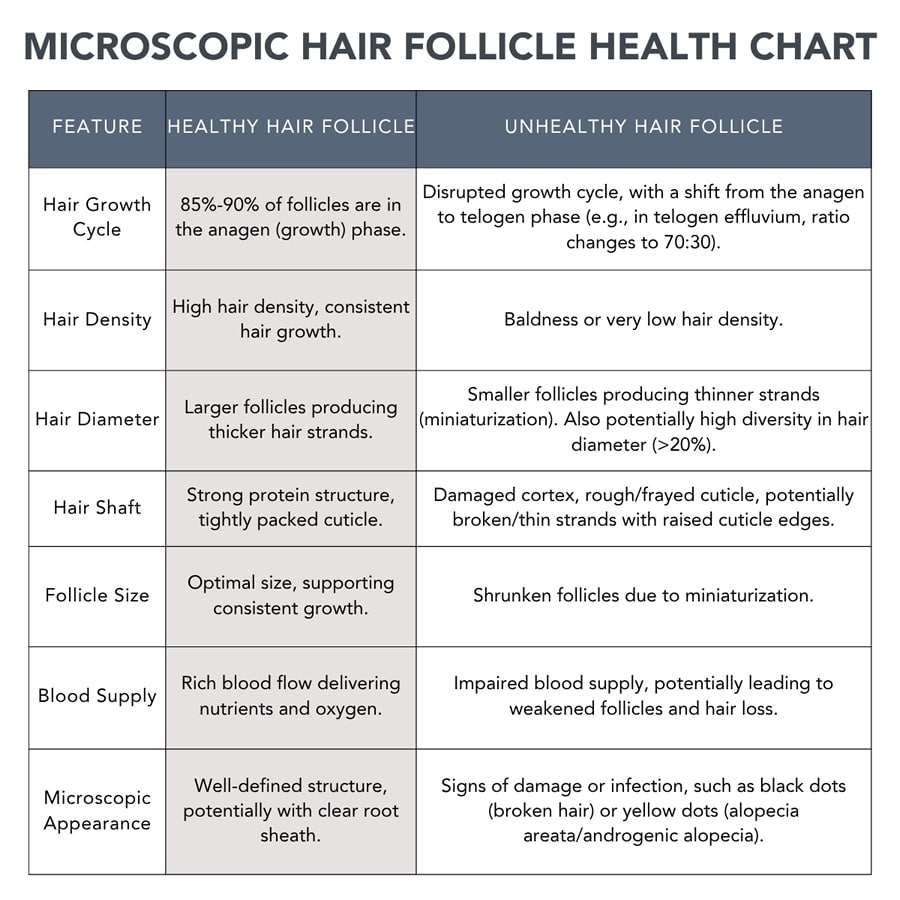
By recognizing the clinical relevance of hair health and offering modern, science-backed solutions, we can redefine how men approach both hair loss and overall wellness. Practical Tips for Providers
- Include scalp and hair assessments in annual physical exams for men over 25.
- Ask about changes in hair texture, shedding, and family history of hair loss—these may offer early clues to systemic issues.
- Educate your patients on how their lifestyle, nutrition, stress levels, and even medications impact hair health.
- Refer early: Whether to a dermatology colleague, integrative specialist, or hair restoration clinic, timely referrals improve outcomes and patient satisfaction.
This June, let’s use Men’s Health Month to empower men to view hair health as a springboard to proactive care, deeper conversations, and integrative interventions that benefit well-being for years to come. Waiting rooms and social media posts may include “Did You Know” fact cards, such as “Hair Loss can be your first sign of a thyroid issue,” or “You can start protecting your hair in your 20s.” You might also create a male wellness wheel that includes hair health as a spoke in the wheel of men’s overall well-being (alongside heart, hormone, mental health, etc.). The Smart Solutions RX team is available to support medical providers through education and practice development support. Start the conversation. Save the hair. Support the man.