

August marks Hair Loss Awareness Month, a timely reminder that hair loss affects over 80 million men and women in the U.S. alone. While often dismissed as a cosmetic or age-related concern, the psychological and emotional impact of hair thinning or balding can be profound, especially when it goes unaddressed. For medical professionals, this month presents a valuable opportunity to bring hair health into routine clinical conversations, offer cutting-edge solutions, and expand practice protocols with treatments that meet the growing demand for effective, personalized hair restoration.
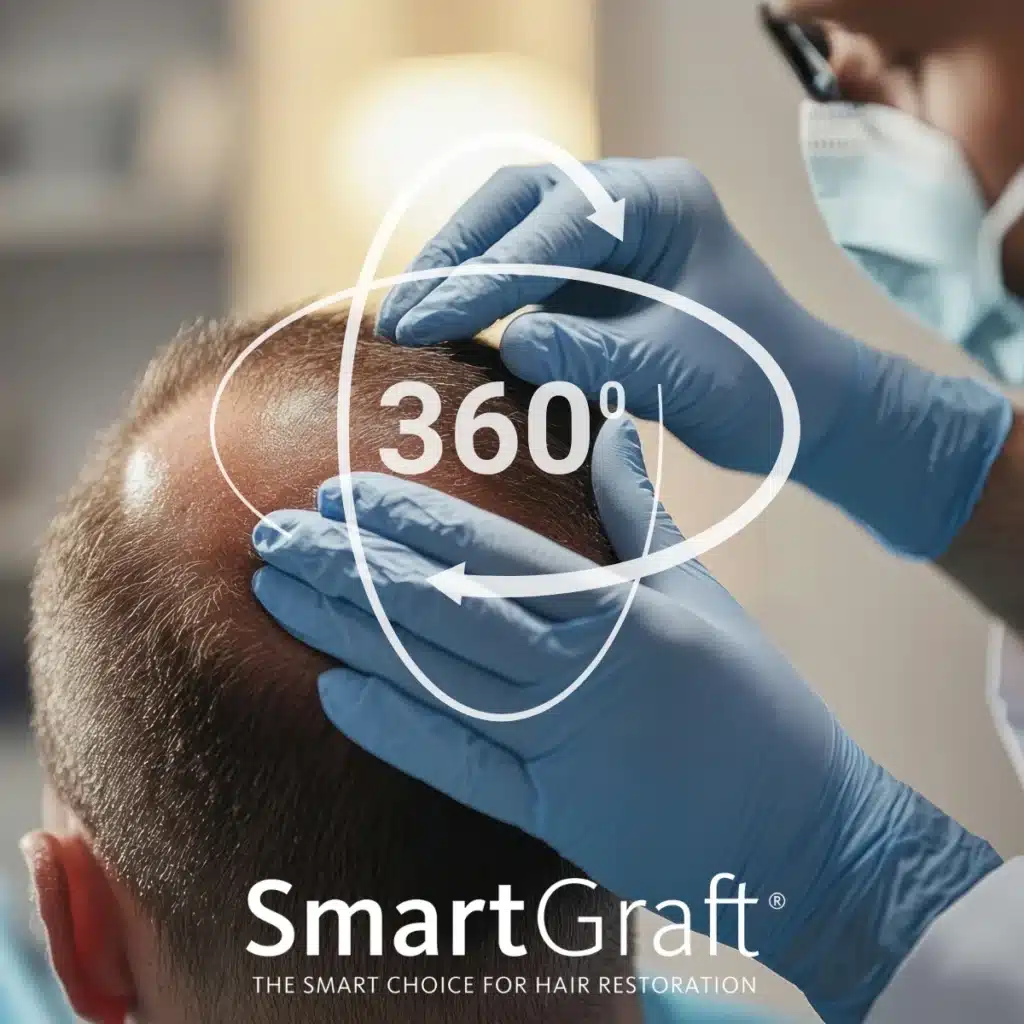
Hair loss may not always be the first complaint in an exam room, but the emotional toll is significant, particularly when left unaddressed. Hair loss is typically progressive. By the time it becomes visibly noticeable, patients may have already lost up to 50% of their hair in affected areas. Unfortunately, many patients delay seeking help due to stigma, misinformation, or the belief that nothing can be done. Providers can make a significant difference by proactively screening for early signs of androgenetic alopecia, telogen effluvium, and other common conditions, initiating open, stigma-free conversations, especially with female and younger patients who may not bring up concerns themselves, and educating patients on the importance of early action and available treatment options. Early intervention opens the door to more conservative, non-surgical solutions, better clinical outcomes, and higher patient satisfaction.
Today’s treatments combine regenerative medicine, precision imaging, and advanced robotics to offer personalized solutions that weren’t possible even a decade ago. Modern hair restoration is no longer one-dimensional. Providers now have access to a multi-modal toolkit that combines surgical precision with regenerative science, advanced diagnostics, and personalized care protocols. Digital scalp imaging & trichoscopy incorporate objective tracking tools like digital scalp analysis and trichoscopy, allowing providers to monitor progress with measurable data, educate patients more effectively, and tailor interventions in real time. Platelet-Rich Plasma (PRP) and exosome-based therapies like SMART eXo™ have become essential tools in restoring follicle health and stimulating regrowth. They can be used as standalone treatments, or as pre- or post-transplant adjuncts to improve graft survival and enhance results. Medications such as finasteride, minoxidil, and compounded topicals remain important in slowing progression and preserving hair density. Today’s treatment plans often combine prescription medications with custom-formulated topicals, and nutraceutical support for internal balance. The LOCKrx system offers a dual approach, including Growth Factor 3X topical solutions to support follicular regeneration and scalp health as well as the LOCKrx nutraceuticals, which address root causes like oxidative stress, gut health, hormonal imbalances, and nutrient deficiencies. Unlike robotic systems, SmartGraft gives physicians complete control over graft harvesting and placement, preserving follicle viability for optimal results. Together, these products support internal and external pathways for hair restoration, creating a multi-layered support ideal for patients seeking non-surgical or combination therapies.
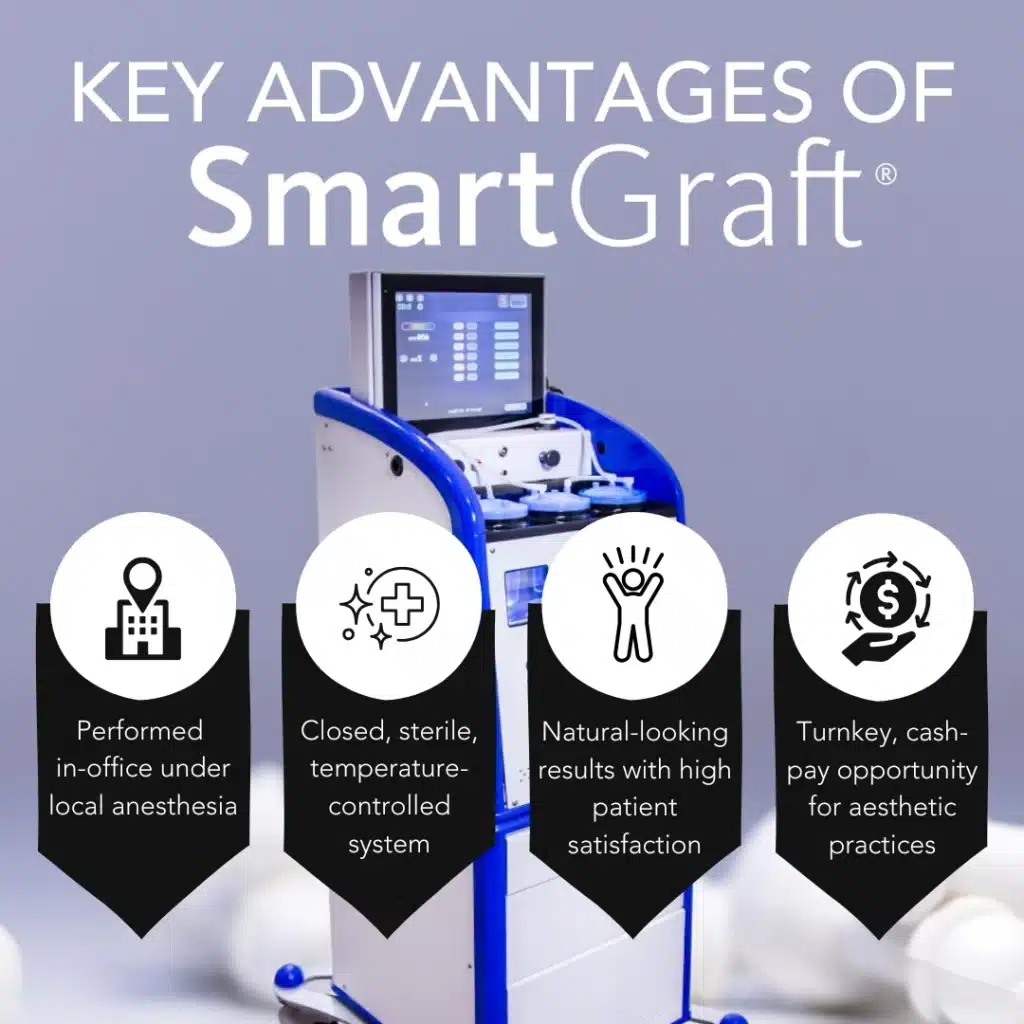
Today, the science of hair restoration has evolved far beyond traditional transplants and temporary fixes Hair Loss Awareness Month is an ideal time to launch awareness campaigns on website, social media, or in-office, to host educational events or webinars for current and potential patients, to offer consultations or hair health screenings to start conversations and to build trust, and train office teams on the latest tools, technology, and patient communication strategies. Expanding offerings with SmartGraft and complementary treatments not only increases revenue potential but also positions practices at the forefront of aesthetic and regenerative medicine. Hair restoration is no longer just about moving follicles, it’s about restoring confidence through tailored, science-backed compassionate care. With early intervention and the right tools, providers can offer transformative care that meets the high expectations of today’s patients.