Hair Loss Diagnosis

About Hair Loss Diagnosis

Physicians use a myriad of tools to assess hair loss. Several methods of intervention may be suggested as there are often multiple conditions contributing to a patient’s hair loss. For this reason, your hair loss discovery may include blood tests, scalp biopsy, an analysis of medical history, DNA genetic testing, a review of family history, and examination of hair under a microscope. Providers make recommendations based on these findings.

Scalp Analysis

Getting to the root of hair loss may include the use of a special diagnostic camera that can magnify hair to determine hair density. Hair density is comprised of three components: the number of follicles, the number of terminal (normal) hairs, and the number of vellus (thin, miniaturized) hairs. A scalp camera may be used during your first in office consultation to assist your care team in best determining the state of your hair and its environment. Digital photography may also be used to capture hair loss from multiple angles. These images will be used at the very first visit and any follow up visits for comparison and progression checks.

Medical History& Blood Testing

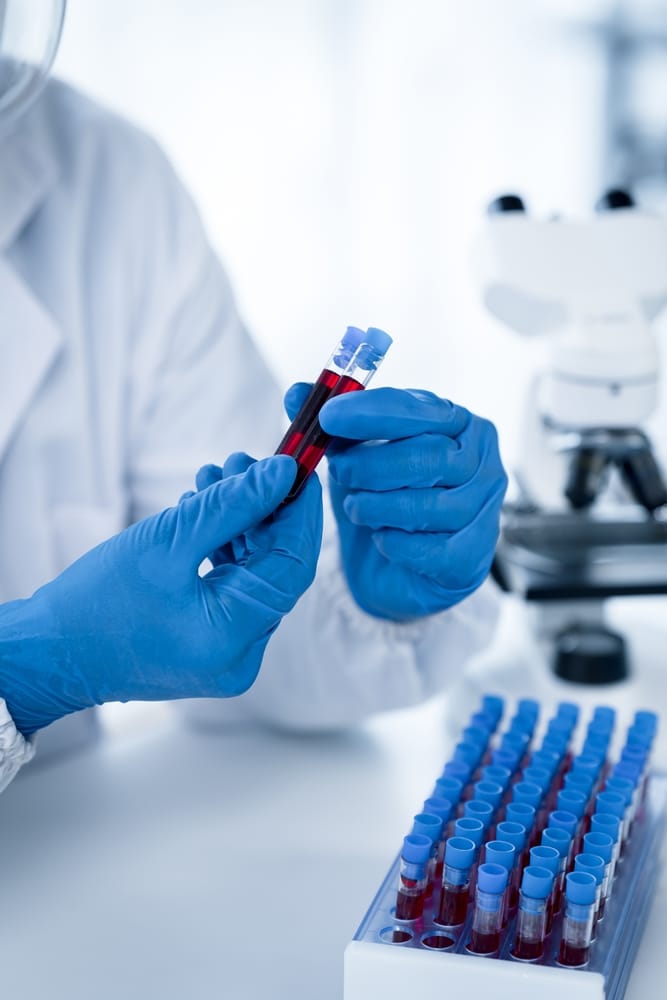
The initial consultation in office may involve getting to the root of hair loss using blood tests or genetic testing. What your care team is looking for lies beneath what you physically see and gets to the root, looking from within at the internal causes of hair loss. Bloodwork or a buccal swab may be taken if the care team suspects an underlying medical condition, iron deficiencies, thyroid disorders, hormonal imbalances, and other vitamin or mineral deficiencies.
A sample of levels taken may include any number of tests including DHEA, free and total testosterone, androstenedione prolactin, follicular stimulating hormone, luteinizing hormone, serum iron, total iron binding capacity (TIBC), Follicular stimulating hormone, thyroid levels (TSH, T3, T4), VDRL, CBC or Hemoglobin/Hematocrit, B12, CMP-14 with eGFR, Hemoglobin Solubility, Hemocysteine, Occult Blood Fecal, Reticulocyte Count Blood Test, SHBG, ANA, or ESR. While there is no standard template for ordering blood tests for hair loss patients, your specialist may order a combination of these tests to assist in assessment. These diagnostic tests may be covered by insurance.

Hereditary Hair Loss

When exploring family history, providers often look for several factors in order to establish an expectation for the patient. If the patient is aware of someone in their family they share a common experience with, such as age of thinning onset or similar pattern of progression, there are strong indicators of what the patient can expect without intervention.
When a patient has a genetic predisposition to thinning, providers use that information as a road map alongside any additional inherited conditions. Hereditary hair loss does not sentence someone to the same fate as their ancestors. Quite the contrary. Using family history allows providers to work directly with each patient. This information coupled with patient medical history allows providers to confidently guide each patient to a personalized hair support treatment plan aimed at helping them regain their hair and their confidence.